Buy advpm.eu ?
We are moving the project
advpm.eu .
Are you interested in purchasing the domain
advpm.eu ?
domain@kv-gmbh.de · 0541-91531010
Buy advpm.eu ?
Why is the Upper Palatinate actually called Upper Palatinate?
The Upper Palatinate is called so because it is located in the upper part of the historical region of the Palatinate in Germany. The term "Upper" distinguishes it from the Lower Palatinate, which is located further downstream along the Rhine River. The Upper Palatinate has a distinct cultural and historical significance within the larger region of the Palatinate, which is why it is specifically referred to as such. **
Why is the Upper Palatinate actually called the Upper Palatinate?
The Upper Palatinate is called so because it is located in the upper part of the historical region of the Palatinate in Germany. The term "Upper" distinguishes it from the Lower Palatinate, which is located further downstream along the Rhine River. The Upper Palatinate was historically a separate territory ruled by the Counts Palatine of the Rhine, and the name has persisted to differentiate it from other regions within the Palatinate. **

Similar search terms for Palatinate
Top-Angebote
Products related to Palatinate:
-
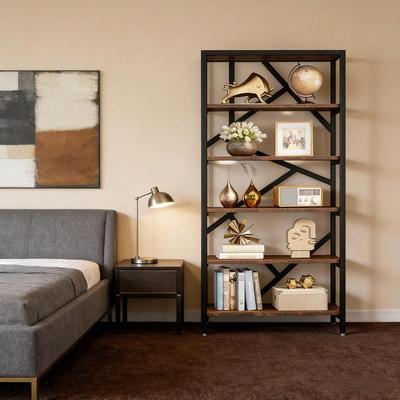
CARMORICO Modern Versatile Bookshelf - Sturdy Display Bookcase"Features Generous 6-Tier Storage: Standing 70.87"" tall with 31.5"" W x 11.81"" D, this bookshelf offers six open shelves for organizing books, decorative items, and everyday essentials, maximizing vertical space without crowding your room."231,49 $*Shipping: 0,00 $Secure redirect to the provider
-
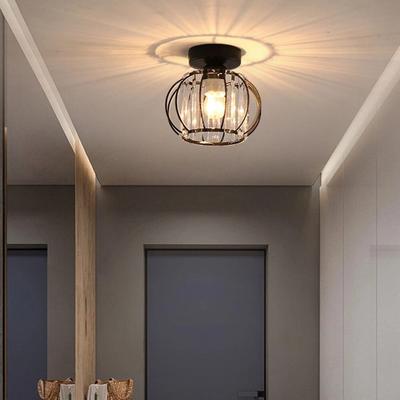
All Categories Goods Sleek Modern Flush Mount Ceiling Light Hallway & Indoor Lighting Sleek Modern Flush Mount Ceiling Light Hallway & Indoor LightingStep into brighter, beautifully lit spaces with a light that feels as thoughtful as your design. This compact modern flush mount ceiling light delivers reliable, even ambient hallway lighting without crowding your space, perfect for homes with...89,97 $*Shipping: 0,00 $Secure redirect to the provider


-
Cities in the Palatinate
The Palatinate region in Germany is known for its charming cities, each with its own unique character. Some notable cities in the Palatinate include Heidelberg, known for its picturesque old town and famous castle; Speyer, home to the impressive Romanesque cathedral and historic Altpörtel gate; and Neustadt an der Weinstraße, a charming town located along the German Wine Route. These cities offer a mix of history, culture, and natural beauty, making the Palatinate a popular destination for visitors. **
-
Why did the Palatinate separate from Bavaria and become part of Rhineland-Palatinate?
The Palatinate separated from Bavaria and became part of Rhineland-Palatinate as a result of the Congress of Vienna in 1815. This decision was made in order to balance the power dynamics in the region and to create a more stable political landscape in the aftermath of the Napoleonic Wars. The Palatinate was historically a separate region with its own distinct cultural and political identity, and the Congress of Vienna sought to recognize and preserve these regional differences by creating the new state of Rhineland-Palatinate. This decision also aimed to weaken the influence of Bavaria and strengthen the position of the smaller German states in the region. **
-
Did you know that the Upper Palatinate does not belong to the Palatinate?
Yes, I did know that the Upper Palatinate does not belong to the Palatinate. The Upper Palatinate is a region in the eastern part of the state of Bavaria in Germany, while the Palatinate, also known as the Rhineland-Palatinate, is a separate region in the western part of Germany. Despite the similar names, these two regions have distinct historical and geographical differences. The Upper Palatinate has its own unique cultural and historical significance within the state of Bavaria. **
-
Why is there no Lower Palatinate?
There is no Lower Palatinate because the historical region of the Palatinate in Germany was divided into two parts: the Upper Palatinate and the Lower Palatinate. The Upper Palatinate is located in the northeast of the region, while the Lower Palatinate is in the southwest. Over time, the term "Lower Palatinate" fell out of use, and the region is now commonly referred to simply as the Palatinate. **

Are there adders in Rhineland-Palatinate?
Yes, there are adders in Rhineland-Palatinate. The common European adder (Vipera berus) is found in this region, particularly in forested and hilly areas. Adders are venomous snakes, but they are generally shy and will only bite if they feel threatened. It is important to be cautious and aware of your surroundings when hiking or spending time in areas where adders may be present. **
What is the Abitur in Rhineland-Palatinate?
The Abitur in Rhineland-Palatinate is the final examination that students take at the end of their secondary education, usually after 12 or 13 years of schooling. It is a standardized test that covers a wide range of subjects, including languages, mathematics, sciences, and social studies. Passing the Abitur is a requirement for students to be eligible for higher education at universities in Germany. **
Top-Angebote
Products related to Palatinate:
-
Lilijan Home & Curtain Round Solid Colour Tablecloth Palatinate PurpleMatte velvet round tablecloth is a simple and elegant way to dress up any table for any occasion. Whether you want to create a contrast with your dishes and cutlery or match the theme of your party, a matte velvet tablecloth can help you achieve the desired look. Matte velvet tablecloth is also easy to clean and maintain, as you don't have to worry about stains or fading. Matte velvet tablecloth can also be used as a backdrop for other decorations, such as flowers, candles, or centerpieces. Matte velvet tablecloth is a versatile and practical choice for any table setting. Lilijan Home & Curtain Colour: Palatinate Purple44,99 £*Shipping: 4,99 £Secure redirect to the provider
-
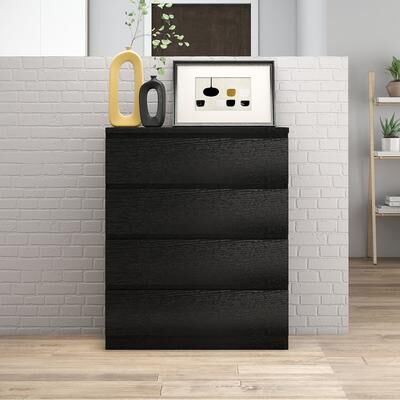
GDFStudio - Emma Sleek Modern 4-Drawer Black Dresser with Handle-Free Design for Versatile StorageContemporary Minimalist Style: This 4-drawer dresser features a clean, handle-free design paired with a rich black finish that adds a sophisticated and streamlined look to any room.197,57 $*Shipping: 0,00 $Secure redirect to the provider
-
CARMORICO Modern Versatile Bookshelf - Sturdy Display Bookcase"Features Generous 6-Tier Storage: Standing 70.87"" tall with 31.5"" W x 11.81"" D, this bookshelf offers six open shelves for organizing books, decorative items, and everyday essentials, maximizing vertical space without crowding your room."231,49 $*Shipping: 0,00 $Secure redirect to the provider
-
Why is the Upper Palatinate actually called Upper Palatinate?
The Upper Palatinate is called so because it is located in the upper part of the historical region of the Palatinate in Germany. The term "Upper" distinguishes it from the Lower Palatinate, which is located further downstream along the Rhine River. The Upper Palatinate has a distinct cultural and historical significance within the larger region of the Palatinate, which is why it is specifically referred to as such. **
-
Why is the Upper Palatinate actually called the Upper Palatinate?
The Upper Palatinate is called so because it is located in the upper part of the historical region of the Palatinate in Germany. The term "Upper" distinguishes it from the Lower Palatinate, which is located further downstream along the Rhine River. The Upper Palatinate was historically a separate territory ruled by the Counts Palatine of the Rhine, and the name has persisted to differentiate it from other regions within the Palatinate. **
-
Cities in the Palatinate
The Palatinate region in Germany is known for its charming cities, each with its own unique character. Some notable cities in the Palatinate include Heidelberg, known for its picturesque old town and famous castle; Speyer, home to the impressive Romanesque cathedral and historic Altpörtel gate; and Neustadt an der Weinstraße, a charming town located along the German Wine Route. These cities offer a mix of history, culture, and natural beauty, making the Palatinate a popular destination for visitors. **
-
Why did the Palatinate separate from Bavaria and become part of Rhineland-Palatinate?
The Palatinate separated from Bavaria and became part of Rhineland-Palatinate as a result of the Congress of Vienna in 1815. This decision was made in order to balance the power dynamics in the region and to create a more stable political landscape in the aftermath of the Napoleonic Wars. The Palatinate was historically a separate region with its own distinct cultural and political identity, and the Congress of Vienna sought to recognize and preserve these regional differences by creating the new state of Rhineland-Palatinate. This decision also aimed to weaken the influence of Bavaria and strengthen the position of the smaller German states in the region. **
Similar search terms for Palatinate
-
All Categories Goods Sleek Modern Flush Mount Ceiling Light Hallway & Indoor Lighting Sleek Modern Flush Mount Ceiling Light Hallway & Indoor LightingStep into brighter, beautifully lit spaces with a light that feels as thoughtful as your design. This compact modern flush mount ceiling light delivers reliable, even ambient hallway lighting without crowding your space, perfect for homes with...89,97 $*Shipping: 0,00 $Secure redirect to the provider
-
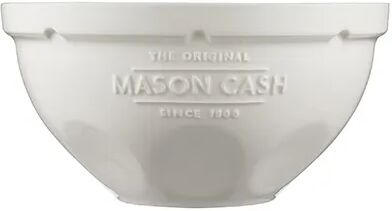
Mason Cash Innovative Kitchen Mixing BowlThis Mason Cash mixing bowl has a capacity of 4 litres and features tilt support in the design and shape of the bowl. As the bowl is tilted, the indents in the outer surface of the bowl provided angled support when mixing and beating the contents of the bowl. The bowl is made from stoneware and is finished with a durable and hard wearing glaze. The Mason Cash mixing bowl is suitable for warming food in the microwave and is dishwasher safe for easy and convenient cleaning.24,50 £*Shipping: 3,50 £Secure redirect to the provider
-
Mason Cash Innovative Kitchen Lasagne DishThe Mason Cash Innovative Kitchen Lasagne Dish is made from stoneware which provides gradual and even heat distribution. A vented base also ensures optimal heat distribution whilst right angled corners and precision sizing accommodate most lasagne sheets without the need to break them down. Steep sides allow for higher layering and help distribute heat evenly. Mason Cash ovenware classics have been given the Innovative Kitchen treatment in this range. Carefully selected materials with innovative features that improve their performance for tastier results. The Mason Cash Innovative Kitchen Lasagne Dish measures H 7.3cm x W 31.5cm x D 20.5cm with a capacity of 2.5 litres.16,10 £*Shipping: 3,50 £Secure redirect to the provider
-
Did you know that the Upper Palatinate does not belong to the Palatinate?
Yes, I did know that the Upper Palatinate does not belong to the Palatinate. The Upper Palatinate is a region in the eastern part of the state of Bavaria in Germany, while the Palatinate, also known as the Rhineland-Palatinate, is a separate region in the western part of Germany. Despite the similar names, these two regions have distinct historical and geographical differences. The Upper Palatinate has its own unique cultural and historical significance within the state of Bavaria. **
-
Why is there no Lower Palatinate?
There is no Lower Palatinate because the historical region of the Palatinate in Germany was divided into two parts: the Upper Palatinate and the Lower Palatinate. The Upper Palatinate is located in the northeast of the region, while the Lower Palatinate is in the southwest. Over time, the term "Lower Palatinate" fell out of use, and the region is now commonly referred to simply as the Palatinate. **
-
Are there adders in Rhineland-Palatinate?
Yes, there are adders in Rhineland-Palatinate. The common European adder (Vipera berus) is found in this region, particularly in forested and hilly areas. Adders are venomous snakes, but they are generally shy and will only bite if they feel threatened. It is important to be cautious and aware of your surroundings when hiking or spending time in areas where adders may be present. **
-
What is the Abitur in Rhineland-Palatinate?
The Abitur in Rhineland-Palatinate is the final examination that students take at the end of their secondary education, usually after 12 or 13 years of schooling. It is a standardized test that covers a wide range of subjects, including languages, mathematics, sciences, and social studies. Passing the Abitur is a requirement for students to be eligible for higher education at universities in Germany. **
* All prices are inclusive of VAT and, if applicable, plus shipping costs. The offer information is based on the details provided by the respective shop and is updated through automated processes. Real-time updates do not occur, so deviations can occur in individual cases. ** Note: Parts of this content were created by AI.