Buy advpm.eu ?
We are moving the project
advpm.eu .
Are you interested in purchasing the domain
advpm.eu ?
domain@kv-gmbh.de · 0541-91531010
Buy advpm.eu ?
What does homology mean?
Homology refers to the similarity between different organisms due to shared ancestry. It can refer to similar structures, genes, or traits that are inherited from a common ancestor. Homology is used in evolutionary biology to study the relationships between different species and to understand how characteristics have evolved over time. **
What are homology and analogy?
Homology refers to similarities in traits between different species that are inherited from a common ancestor. These traits are often structural or genetic in nature and can help scientists understand evolutionary relationships between species. On the other hand, analogy refers to similarities in traits between different species that are not inherited from a common ancestor but have evolved independently due to similar environmental pressures. While homology reflects shared ancestry, analogy reflects convergent evolution. **

Similar search terms for Homology
Top-Angebote
Products related to Homology:
-
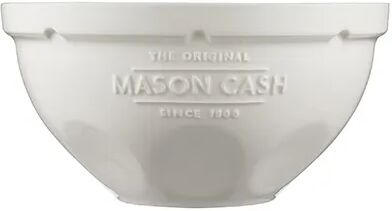
Mason Cash Innovative Kitchen Mixing BowlThis Mason Cash mixing bowl has a capacity of 4 litres and features tilt support in the design and shape of the bowl. As the bowl is tilted, the indents in the outer surface of the bowl provided angled support when mixing and beating the contents of the bowl. The bowl is made from stoneware and is finished with a durable and hard wearing glaze. The Mason Cash mixing bowl is suitable for warming food in the microwave and is dishwasher safe for easy and convenient cleaning.24,50 £*Shipping: 3,50 £Secure redirect to the provider
-
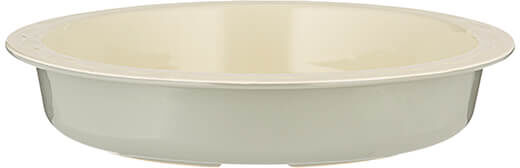
Mason Cash Innovative Kitchen 29cm Pie DishThe Mason Cash Innovative Kitchen Pie Dish is made from stoneware which provides gradual and even heat distribution. A vented base also ensures optimal heat distribution as do the steep sides of the dish. An embossed interior provides easy pastry release whilst the pastry anchor prevents pastry slumping. Mason Cash ovenware classics have been given the Innovative Kitchen treatment in this range. Carefully selected materials with innovative features that improve their performance for tastier results. The Mason Cash Innovative Kitchen Pie Dish measures H 5.5cm x W 28cm x D 28cm with a capacity of 2 litres.15,05 £*Shipping: 3,50 £Secure redirect to the provider
-
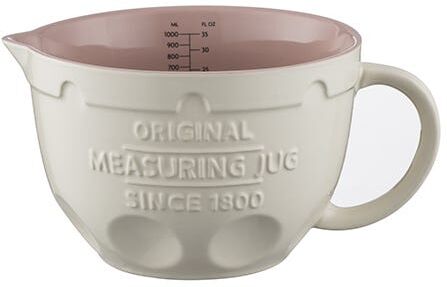
Mason Cash Innovative Kitchen 1L Measuring JugThe Mason Cash Innovative kitchen 1 litre measuring jug is a must have in the kitchen for baking large batches of ingredients. The stoneware bowl has a large handle providing a good grip when mixing the contents. The bowl features indentations on the exterior, which provides extra support when the bowl is tilted at an angle. The inside of the measuring bowl shows measurements in both millilitres and fluid ounces. Suitable for use in the microwave and dishwasher safe for easy and convenient cleaning, the measuring bowl is part of a matching collection.17,85 £*Shipping: 3,50 £Secure redirect to the provider
-
CARMORICO Modern Versatile Bookshelf - Sturdy Display Bookcase"Features Generous 6-Tier Storage: Standing 70.87"" tall with 31.5"" W x 11.81"" D, this bookshelf offers six open shelves for organizing books, decorative items, and everyday essentials, maximizing vertical space without crowding your room."231,49 $*Shipping: 0,00 $Secure redirect to the provider

-
Is it homology or analogy?
Homology refers to similarities in traits due to shared ancestry, while analogy refers to similarities in traits due to convergent evolution. For example, the wings of bats and birds are homologous because they both evolved from a common ancestor with wings, while the wings of birds and insects are analogous because they evolved independently in response to the similar selective pressure of flight. Therefore, the distinction between homology and analogy depends on the evolutionary history of the traits in question. **
-
Is this homology or analogy?
This is an example of homology. Homology refers to the similarity in characteristics between different species due to their shared ancestry. In this case, the similarity in the bone structure of the forelimbs of different vertebrate species is due to their common evolutionary origin from a common ancestor. Analogous structures, on the other hand, are similar in function and appearance but do not share a common evolutionary origin. **
-
Is task 4 an analogy or homology? If it is a homology or analogy, why?
Task 4 is an analogy. This is because an analogy is a comparison between two things that are similar in some ways but otherwise different. In this case, the comparison is between the task of identifying whether a given image is a cat or a dog and the process of identifying whether a given sentence is a statement or a question. Both tasks involve categorizing or classifying different inputs based on specific criteria, even though the inputs themselves are different (images vs. sentences). **
-
Why is task 4 a homology?
Task 4 is a homology because it involves identifying and analyzing the similarities and differences between two different organisms, the human and the chimpanzee. By comparing the genetic sequences and structures of these two species, we can gain insights into their evolutionary relationship and shared ancestry. This type of comparative analysis is a fundamental aspect of homology studies, as it helps us understand how organisms have evolved over time and how they are related to each other at a genetic level. **


How meaningful is homology and analogy?
Homology and analogy are both important concepts in biology that help us understand the relationships between different species. Homology, which refers to similarities in traits due to shared ancestry, provides valuable insights into evolutionary history and can help us infer common ancestors. On the other hand, analogy, which refers to similarities in traits due to convergent evolution, can help us understand how different species have adapted to similar environments or ecological niches. Both homology and analogy are meaningful in their own ways, as they provide valuable information about the evolutionary processes that have shaped the diversity of life on Earth. **
Why is task 4 considered a homology?
Task 4 is considered a homology because it involves identifying and comparing the anatomical structures of different organisms, specifically the forelimbs of vertebrates. By examining the similarities and differences in the bone structure and arrangement of these limbs, we can infer evolutionary relationships and common ancestry. This comparative analysis allows us to trace the evolutionary history of these structures and understand how they have been modified over time to suit the needs of different species. Overall, task 4 provides insights into the concept of homology by highlighting shared characteristics that are inherited from a common ancestor. **
Top-Angebote
Products related to Homology:
-
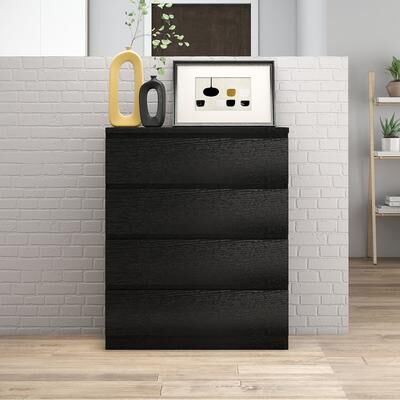
GDFStudio - Emma Sleek Modern 4-Drawer Black Dresser with Handle-Free Design for Versatile StorageContemporary Minimalist Style: This 4-drawer dresser features a clean, handle-free design paired with a rich black finish that adds a sophisticated and streamlined look to any room.202,99 $*Shipping: 0,00 $Secure redirect to the provider
-
Mason Cash Innovative Kitchen Lasagne DishThe Mason Cash Innovative Kitchen Lasagne Dish is made from stoneware which provides gradual and even heat distribution. A vented base also ensures optimal heat distribution whilst right angled corners and precision sizing accommodate most lasagne sheets without the need to break them down. Steep sides allow for higher layering and help distribute heat evenly. Mason Cash ovenware classics have been given the Innovative Kitchen treatment in this range. Carefully selected materials with innovative features that improve their performance for tastier results. The Mason Cash Innovative Kitchen Lasagne Dish measures H 7.3cm x W 31.5cm x D 20.5cm with a capacity of 2.5 litres.16,10 £*Shipping: 3,50 £Secure redirect to the provider
-
Mason Cash Innovative Kitchen Mixing BowlThis Mason Cash mixing bowl has a capacity of 4 litres and features tilt support in the design and shape of the bowl. As the bowl is tilted, the indents in the outer surface of the bowl provided angled support when mixing and beating the contents of the bowl. The bowl is made from stoneware and is finished with a durable and hard wearing glaze. The Mason Cash mixing bowl is suitable for warming food in the microwave and is dishwasher safe for easy and convenient cleaning.24,50 £*Shipping: 3,50 £Secure redirect to the provider
-
Mason Cash Innovative Kitchen 29cm Pie DishThe Mason Cash Innovative Kitchen Pie Dish is made from stoneware which provides gradual and even heat distribution. A vented base also ensures optimal heat distribution as do the steep sides of the dish. An embossed interior provides easy pastry release whilst the pastry anchor prevents pastry slumping. Mason Cash ovenware classics have been given the Innovative Kitchen treatment in this range. Carefully selected materials with innovative features that improve their performance for tastier results. The Mason Cash Innovative Kitchen Pie Dish measures H 5.5cm x W 28cm x D 28cm with a capacity of 2 litres.15,05 £*Shipping: 3,50 £Secure redirect to the provider
-
What does homology mean?
Homology refers to the similarity between different organisms due to shared ancestry. It can refer to similar structures, genes, or traits that are inherited from a common ancestor. Homology is used in evolutionary biology to study the relationships between different species and to understand how characteristics have evolved over time. **
-
What are homology and analogy?
Homology refers to similarities in traits between different species that are inherited from a common ancestor. These traits are often structural or genetic in nature and can help scientists understand evolutionary relationships between species. On the other hand, analogy refers to similarities in traits between different species that are not inherited from a common ancestor but have evolved independently due to similar environmental pressures. While homology reflects shared ancestry, analogy reflects convergent evolution. **
-
Is it homology or analogy?
Homology refers to similarities in traits due to shared ancestry, while analogy refers to similarities in traits due to convergent evolution. For example, the wings of bats and birds are homologous because they both evolved from a common ancestor with wings, while the wings of birds and insects are analogous because they evolved independently in response to the similar selective pressure of flight. Therefore, the distinction between homology and analogy depends on the evolutionary history of the traits in question. **
-
Is this homology or analogy?
This is an example of homology. Homology refers to the similarity in characteristics between different species due to their shared ancestry. In this case, the similarity in the bone structure of the forelimbs of different vertebrate species is due to their common evolutionary origin from a common ancestor. Analogous structures, on the other hand, are similar in function and appearance but do not share a common evolutionary origin. **
Similar search terms for Homology
-
Mason Cash Innovative Kitchen 1L Measuring JugThe Mason Cash Innovative kitchen 1 litre measuring jug is a must have in the kitchen for baking large batches of ingredients. The stoneware bowl has a large handle providing a good grip when mixing the contents. The bowl features indentations on the exterior, which provides extra support when the bowl is tilted at an angle. The inside of the measuring bowl shows measurements in both millilitres and fluid ounces. Suitable for use in the microwave and dishwasher safe for easy and convenient cleaning, the measuring bowl is part of a matching collection.17,85 £*Shipping: 3,50 £Secure redirect to the provider
-
CARMORICO Modern Versatile Bookshelf - Sturdy Display Bookcase"Features Generous 6-Tier Storage: Standing 70.87"" tall with 31.5"" W x 11.81"" D, this bookshelf offers six open shelves for organizing books, decorative items, and everyday essentials, maximizing vertical space without crowding your room."231,49 $*Shipping: 0,00 $Secure redirect to the provider
-
All Categories Goods Sleek Modern Flush Mount Ceiling Light Hallway & Indoor Lighting Sleek Modern Flush Mount Ceiling Light Hallway & Indoor LightingStep into brighter, beautifully lit spaces with a light that feels as thoughtful as your design. This compact modern flush mount ceiling light delivers reliable, even ambient hallway lighting without crowding your space, perfect for homes with...89,97 $*Shipping: 0,00 $Secure redirect to the provider
-
Mason Cash Innovative Kitchen Set Of 3 Cake TinsThis set of 3 Mason Cash cake tins are perfect for storing cakes, biscuits and bakes in your kitchen. These stylish tins look great on display and stack neatly together and store away inside each other for saving space in your cupboard. Part of a matching collection this set of 3 cake tins are also ideal for giving as a gift. Dimensions - small: 19 x 19 x 10cm, medium: 22 x 22 x 12cm, large: 25cm x 25cm x 14cm.26,60 £*Shipping: 3,50 £Secure redirect to the provider
-
Is task 4 an analogy or homology? If it is a homology or analogy, why?
Task 4 is an analogy. This is because an analogy is a comparison between two things that are similar in some ways but otherwise different. In this case, the comparison is between the task of identifying whether a given image is a cat or a dog and the process of identifying whether a given sentence is a statement or a question. Both tasks involve categorizing or classifying different inputs based on specific criteria, even though the inputs themselves are different (images vs. sentences). **
-
Why is task 4 a homology?
Task 4 is a homology because it involves identifying and analyzing the similarities and differences between two different organisms, the human and the chimpanzee. By comparing the genetic sequences and structures of these two species, we can gain insights into their evolutionary relationship and shared ancestry. This type of comparative analysis is a fundamental aspect of homology studies, as it helps us understand how organisms have evolved over time and how they are related to each other at a genetic level. **
-
How meaningful is homology and analogy?
Homology and analogy are both important concepts in biology that help us understand the relationships between different species. Homology, which refers to similarities in traits due to shared ancestry, provides valuable insights into evolutionary history and can help us infer common ancestors. On the other hand, analogy, which refers to similarities in traits due to convergent evolution, can help us understand how different species have adapted to similar environments or ecological niches. Both homology and analogy are meaningful in their own ways, as they provide valuable information about the evolutionary processes that have shaped the diversity of life on Earth. **
-
Why is task 4 considered a homology?
Task 4 is considered a homology because it involves identifying and comparing the anatomical structures of different organisms, specifically the forelimbs of vertebrates. By examining the similarities and differences in the bone structure and arrangement of these limbs, we can infer evolutionary relationships and common ancestry. This comparative analysis allows us to trace the evolutionary history of these structures and understand how they have been modified over time to suit the needs of different species. Overall, task 4 provides insights into the concept of homology by highlighting shared characteristics that are inherited from a common ancestor. **
* All prices are inclusive of VAT and, if applicable, plus shipping costs. The offer information is based on the details provided by the respective shop and is updated through automated processes. Real-time updates do not occur, so deviations can occur in individual cases. ** Note: Parts of this content were created by AI.