Buy advpm.eu ?
We are moving the project
advpm.eu .
Are you interested in purchasing the domain
advpm.eu ?
domain@kv-gmbh.de · 0541-91531010
Buy advpm.eu ?
Is it "Danke fürs Zuschauen" or "Danke fürs Zuschauen"?
The correct phrase is "Danke fürs Zuschauen." The word "fürs" is a contraction of "für das" (for the) in German, so it should be written with an apostrophe to indicate the missing letters. **
Is it "Danke für Ihr Verständnis" or "Danke für Ihren Verständnis"?
The correct phrase is "Danke für Ihr Verständnis." The word "Ihr" is the possessive pronoun for the formal "you" (Sie) in German, while "Ihren" is the possessive pronoun for the formal "your" (Ihre). Therefore, the correct form is "Ihr Verständnis" in this context. **

Similar search terms for Danke
Top-Angebote
Products related to Danke:
-
CARMORICO Modern Versatile Bookshelf - Sturdy Display Bookcase"Features Generous 6-Tier Storage: Standing 70.87"" tall with 31.5"" W x 11.81"" D, this bookshelf offers six open shelves for organizing books, decorative items, and everyday essentials, maximizing vertical space without crowding your room."231,49 $*Shipping: 0,00 $Secure redirect to the provider
-
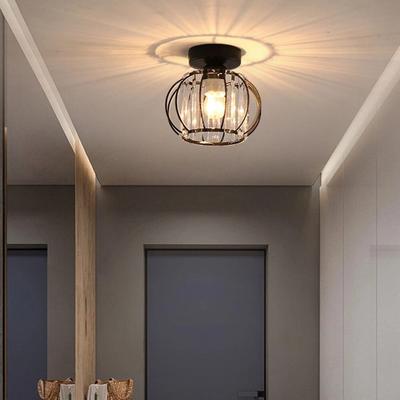
All Categories Goods Sleek Modern Flush Mount Ceiling Light Hallway & Indoor Lighting Sleek Modern Flush Mount Ceiling Light Hallway & Indoor LightingStep into brighter, beautifully lit spaces with a light that feels as thoughtful as your design. This compact modern flush mount ceiling light delivers reliable, even ambient hallway lighting without crowding your space, perfect for homes with...89,97 $*Shipping: 0,00 $Secure redirect to the provider
-
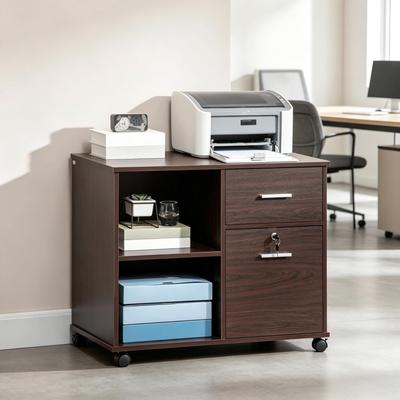
Kodotan sofa Versatile Under-Desk Storage Unit,Mobile Filing Cabinet with Lockable Drawers and Open Storage,Compact File Cabinet,FunctionalFeatures: - Modern design fits the most office or home décor - The printer cart has open storage space, file drawers, and surface space - Spacious desktop is ideal for printers or scanners - The large drawer is perfect for A4-sized files - The large…234,99 $*Shipping: 0,00 $Secure redirect to the provider


-
'After "Danke" comes a comma.'
After "Danke" comes a comma because in German, it is common to use a comma to separate expressions of gratitude from the rest of the sentence. This helps to clearly distinguish the thank you phrase from the rest of the message. Using a comma after "Danke" is a standard practice in written and spoken German to ensure proper punctuation and clarity in communication. **
-
Which sentence is correct: "Danke für das Bescheid geben" or "Danke für das Bescheidgeben"?
The correct sentence is "Danke für das Bescheid geben." In German, the verb "bescheid geben" is separated into two words when used in a sentence. Therefore, the correct way to write it is with a space between "Bescheid" and "geben." **
-
Why do Austrians and Germans also say "Danke," but the Swiss say "Danke gleichfalls"?
Austrians and Germans say "Danke" as a simple way to express gratitude, similar to the English "thank you." However, the Swiss say "Danke gleichfalls" which translates to "thank you likewise" or "thank you, same to you." This phrase reflects the Swiss culture of politeness and emphasis on reciprocity in social interactions. It is a way of not only expressing gratitude but also returning the sentiment to the person who has thanked them. **
-
Does "danke nein danke" mean thank you no thank you and does everyone understand that?
"Danke nein danke" does indeed mean "thank you no thank you" in German. However, not everyone may understand this phrase, especially if they are not familiar with the German language. It's always best to use the appropriate language for the situation to ensure clear communication. **

Is "Danke" the plural of "Dank"?
No, "Danke" is not the plural of "Dank." "Dank" is a noun meaning "thanks" or "gratitude" in German, while "Danke" is the informal way of saying "thank you." So, "Dank" is the noun form and "Danke" is the verb form. **
What does "danke" mean in Latin?
"Danke" is a German word, not Latin. In German, "danke" means "thank you." In Latin, the word for "thank you" is "gratias tibi ago" or simply "gratias." **
Top-Angebote
Products related to Danke:
-
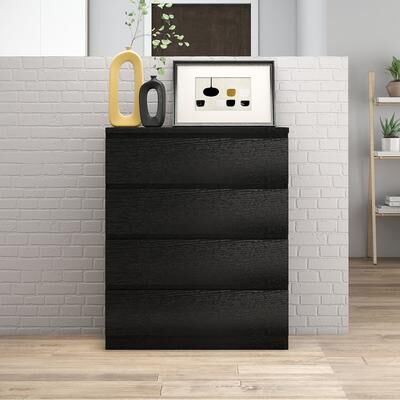
GDFStudio - Emma Sleek Modern 4-Drawer Black Dresser with Handle-Free Design for Versatile StorageContemporary Minimalist Style: This 4-drawer dresser features a clean, handle-free design paired with a rich black finish that adds a sophisticated and streamlined look to any room.197,57 $*Shipping: 0,00 $Secure redirect to the provider
-
CARMORICO Modern Versatile Bookshelf - Sturdy Display Bookcase"Features Generous 6-Tier Storage: Standing 70.87"" tall with 31.5"" W x 11.81"" D, this bookshelf offers six open shelves for organizing books, decorative items, and everyday essentials, maximizing vertical space without crowding your room."231,49 $*Shipping: 0,00 $Secure redirect to the provider
-
All Categories Goods Sleek Modern Flush Mount Ceiling Light Hallway & Indoor Lighting Sleek Modern Flush Mount Ceiling Light Hallway & Indoor LightingStep into brighter, beautifully lit spaces with a light that feels as thoughtful as your design. This compact modern flush mount ceiling light delivers reliable, even ambient hallway lighting without crowding your space, perfect for homes with...89,97 $*Shipping: 0,00 $Secure redirect to the provider
-
Is it "Danke fürs Zuschauen" or "Danke fürs Zuschauen"?
The correct phrase is "Danke fürs Zuschauen." The word "fürs" is a contraction of "für das" (for the) in German, so it should be written with an apostrophe to indicate the missing letters. **
-
Is it "Danke für Ihr Verständnis" or "Danke für Ihren Verständnis"?
The correct phrase is "Danke für Ihr Verständnis." The word "Ihr" is the possessive pronoun for the formal "you" (Sie) in German, while "Ihren" is the possessive pronoun for the formal "your" (Ihre). Therefore, the correct form is "Ihr Verständnis" in this context. **
-
'After "Danke" comes a comma.'
After "Danke" comes a comma because in German, it is common to use a comma to separate expressions of gratitude from the rest of the sentence. This helps to clearly distinguish the thank you phrase from the rest of the message. Using a comma after "Danke" is a standard practice in written and spoken German to ensure proper punctuation and clarity in communication. **
-
Which sentence is correct: "Danke für das Bescheid geben" or "Danke für das Bescheidgeben"?
The correct sentence is "Danke für das Bescheid geben." In German, the verb "bescheid geben" is separated into two words when used in a sentence. Therefore, the correct way to write it is with a space between "Bescheid" and "geben." **
Similar search terms for Danke
-
Kodotan sofa Versatile Under-Desk Storage Unit,Mobile Filing Cabinet with Lockable Drawers and Open Storage,Compact File Cabinet,FunctionalFeatures: - Modern design fits the most office or home décor - The printer cart has open storage space, file drawers, and surface space - Spacious desktop is ideal for printers or scanners - The large drawer is perfect for A4-sized files - The large…234,99 $*Shipping: 0,00 $Secure redirect to the provider
-
Addison Rugs Machine Washable Indoor/Outdoor Modern Sleek Chantille RugIndulge in the enchanting fusion of transitional style with a sleek ultra-thin, flat weave, showcasing captivating abstract patterns that bring a modern edge to any space.598,99 $*Shipping: 0,00 $Secure redirect to the provider
-
Why do Austrians and Germans also say "Danke," but the Swiss say "Danke gleichfalls"?
Austrians and Germans say "Danke" as a simple way to express gratitude, similar to the English "thank you." However, the Swiss say "Danke gleichfalls" which translates to "thank you likewise" or "thank you, same to you." This phrase reflects the Swiss culture of politeness and emphasis on reciprocity in social interactions. It is a way of not only expressing gratitude but also returning the sentiment to the person who has thanked them. **
-
Does "danke nein danke" mean thank you no thank you and does everyone understand that?
"Danke nein danke" does indeed mean "thank you no thank you" in German. However, not everyone may understand this phrase, especially if they are not familiar with the German language. It's always best to use the appropriate language for the situation to ensure clear communication. **
-
Is "Danke" the plural of "Dank"?
No, "Danke" is not the plural of "Dank." "Dank" is a noun meaning "thanks" or "gratitude" in German, while "Danke" is the informal way of saying "thank you." So, "Dank" is the noun form and "Danke" is the verb form. **
-
What does "danke" mean in Latin?
"Danke" is a German word, not Latin. In German, "danke" means "thank you." In Latin, the word for "thank you" is "gratias tibi ago" or simply "gratias." **
* All prices are inclusive of VAT and, if applicable, plus shipping costs. The offer information is based on the details provided by the respective shop and is updated through automated processes. Real-time updates do not occur, so deviations can occur in individual cases. ** Note: Parts of this content were created by AI.