Buy advpm.eu ?
We are moving the project
advpm.eu .
Are you interested in purchasing the domain
advpm.eu ?
domain@kv-gmbh.de · 0541-91531010
Buy advpm.eu ?
What are classes of compounds and functional groups?
Classes of compounds are groups of chemical substances that have similar structures and properties. They are typically categorized based on the types of atoms and bonds present in their molecular structures. Functional groups, on the other hand, are specific groups of atoms within a molecule that are responsible for the molecule's characteristic chemical reactions and properties. They are the reactive centers of organic compounds and are responsible for the compound's behavior in chemical reactions. Examples of functional groups include hydroxyl (-OH), carbonyl (C=O), and amino (-NH2) groups. **
How can one distinguish ionic compounds from molecular compounds?
Ionic compounds are formed from the attraction between positively and negatively charged ions, while molecular compounds are formed from the sharing of electrons between atoms. One way to distinguish between the two is to look at their chemical formulas. Ionic compounds typically consist of a metal and a nonmetal, while molecular compounds consist of nonmetals only. Additionally, ionic compounds tend to have higher melting and boiling points compared to molecular compounds due to their strong electrostatic attractions. Finally, conducting a simple solubility test can also help distinguish between the two types of compounds, as ionic compounds are often soluble in water while molecular compounds may not be. **

Similar search terms for Compounds
Top-Angebote
Products related to Compounds:
-
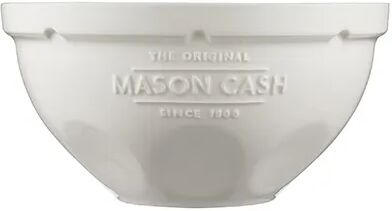
Mason Cash Innovative Kitchen Mixing BowlThis Mason Cash mixing bowl has a capacity of 4 litres and features tilt support in the design and shape of the bowl. As the bowl is tilted, the indents in the outer surface of the bowl provided angled support when mixing and beating the contents of the bowl. The bowl is made from stoneware and is finished with a durable and hard wearing glaze. The Mason Cash mixing bowl is suitable for warming food in the microwave and is dishwasher safe for easy and convenient cleaning.24,50 £*Shipping: 3,50 £Secure redirect to the provider
-
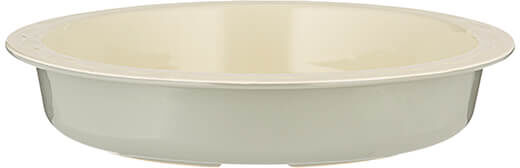
Mason Cash Innovative Kitchen Lasagne DishThe Mason Cash Innovative Kitchen Lasagne Dish is made from stoneware which provides gradual and even heat distribution. A vented base also ensures optimal heat distribution whilst right angled corners and precision sizing accommodate most lasagne sheets without the need to break them down. Steep sides allow for higher layering and help distribute heat evenly. Mason Cash ovenware classics have been given the Innovative Kitchen treatment in this range. Carefully selected materials with innovative features that improve their performance for tastier results. The Mason Cash Innovative Kitchen Lasagne Dish measures H 7.3cm x W 31.5cm x D 20.5cm with a capacity of 2.5 litres.16,10 £*Shipping: 3,50 £Secure redirect to the provider
-
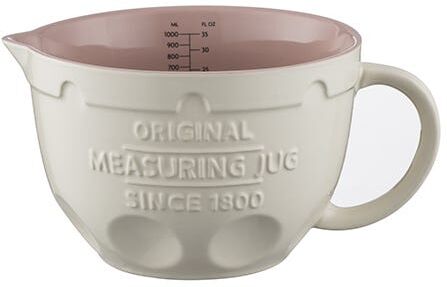
Mason Cash Innovative Kitchen 1L Measuring JugThe Mason Cash Innovative kitchen 1 litre measuring jug is a must have in the kitchen for baking large batches of ingredients. The stoneware bowl has a large handle providing a good grip when mixing the contents. The bowl features indentations on the exterior, which provides extra support when the bowl is tilted at an angle. The inside of the measuring bowl shows measurements in both millilitres and fluid ounces. Suitable for use in the microwave and dishwasher safe for easy and convenient cleaning, the measuring bowl is part of a matching collection.17,85 £*Shipping: 3,50 £Secure redirect to the provider
-
Mason Cash Innovative Kitchen 29cm Pie DishThe Mason Cash Innovative Kitchen Pie Dish is made from stoneware which provides gradual and even heat distribution. A vented base also ensures optimal heat distribution as do the steep sides of the dish. An embossed interior provides easy pastry release whilst the pastry anchor prevents pastry slumping. Mason Cash ovenware classics have been given the Innovative Kitchen treatment in this range. Carefully selected materials with innovative features that improve their performance for tastier results. The Mason Cash Innovative Kitchen Pie Dish measures H 5.5cm x W 28cm x D 28cm with a capacity of 2 litres.15,05 £*Shipping: 3,50 £Secure redirect to the provider

-
How do you distinguish determinative compounds and possessive compounds?
Determinative compounds are formed by combining two words to create a new concept, where the first word determines the meaning of the second word. For example, "blackboard" is a determinative compound where "black" determines the type of "board." Possessive compounds, on the other hand, indicate possession or relationship between the two words. For example, "John's car" is a possessive compound where "John" possesses the "car." In summary, determinative compounds determine the meaning of the second word, while possessive compounds indicate possession or relationship between the two words. **
-
Can you help me with chemistry? I need information about atomic compounds, metal compounds, and ionic compounds.
Of course! Atomic compounds are formed when two or more non-metal atoms are chemically bonded together, such as in molecules like water (H2O) and carbon dioxide (CO2). Metal compounds are formed when a metal atom is bonded to one or more non-metal atoms, such as in compounds like sodium chloride (NaCl) and iron oxide (Fe2O3). Ionic compounds are formed when a metal atom transfers one or more electrons to a non-metal atom, resulting in the formation of positively and negatively charged ions that are attracted to each other, such as in compounds like sodium chloride (NaCl) and calcium carbonate (CaCO3). Let me know if you need more specific information or examples! **
-
Why do molecular compounds have lower boiling points than ionic compounds?
Molecular compounds have lower boiling points than ionic compounds because the intermolecular forces holding the molecules together are generally weaker than the electrostatic forces holding ions together in ionic compounds. In molecular compounds, the intermolecular forces are typically van der Waals forces, dipole-dipole interactions, or hydrogen bonding, which are weaker than the strong ionic bonds in ionic compounds. As a result, less energy is required to overcome these weaker intermolecular forces, leading to lower boiling points for molecular compounds compared to ionic compounds. **
-
What are sodium compounds?
Sodium compounds are chemical compounds that contain sodium as one of their elements. These compounds can be found in various forms, such as sodium chloride (table salt), sodium hydroxide (lye), and sodium bicarbonate (baking soda). Sodium compounds are widely used in industry, agriculture, and everyday life due to their diverse properties and applications. **

Name the isomeric compounds.
Isomers are compounds that have the same molecular formula but different structural arrangements. Some examples of isomeric compounds include butane and isobutane, which both have the molecular formula C4H10 but differ in their structural arrangement. Another example is glucose and fructose, which both have the molecular formula C6H12O6 but have different structural arrangements and properties. **
What are molecular compounds?
Molecular compounds are chemical compounds formed by the combination of two or more non-metal atoms. These atoms are held together by covalent bonds, which involve the sharing of electrons. Molecular compounds can exist as discrete molecules, such as water (H2O) and carbon dioxide (CO2), and they typically have lower melting and boiling points compared to ionic compounds. Examples of molecular compounds include methane (CH4), ammonia (NH3), and sulfur dioxide (SO2). **
Top-Angebote
Products related to Compounds:
-
Arctic MX Cleaner - Wipes for removing Thermal Compounds (40 Pieces)ARCTIC MX Cleaner is a box of 40 individually sealed wet wipes for removing old thermal paste from CPUs, GPUs and heatsinks before reapplying compound. The cleaning fluid is limonene-based, derived from citrus oil, and contains no alcohol or benzene, so it is gentle on metals and alloys and leaves no residue. Each wipe is packed airtight to stay moist until it is used.12,99 £*Shipping: 0,00 £Secure redirect to the provider
-
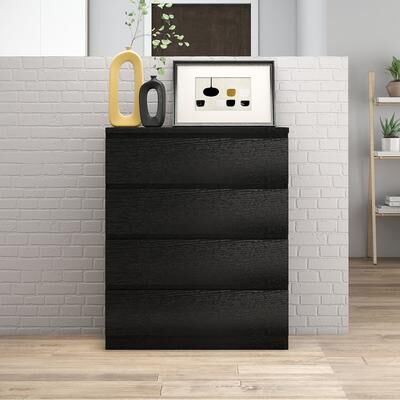
GDFStudio - Emma Sleek Modern 4-Drawer Black Dresser with Handle-Free Design for Versatile StorageContemporary Minimalist Style: This 4-drawer dresser features a clean, handle-free design paired with a rich black finish that adds a sophisticated and streamlined look to any room.202,99 $*Shipping: 0,00 $Secure redirect to the provider
-
Mason Cash Innovative Kitchen Mixing BowlThis Mason Cash mixing bowl has a capacity of 4 litres and features tilt support in the design and shape of the bowl. As the bowl is tilted, the indents in the outer surface of the bowl provided angled support when mixing and beating the contents of the bowl. The bowl is made from stoneware and is finished with a durable and hard wearing glaze. The Mason Cash mixing bowl is suitable for warming food in the microwave and is dishwasher safe for easy and convenient cleaning.24,50 £*Shipping: 3,50 £Secure redirect to the provider
-
Mason Cash Innovative Kitchen Lasagne DishThe Mason Cash Innovative Kitchen Lasagne Dish is made from stoneware which provides gradual and even heat distribution. A vented base also ensures optimal heat distribution whilst right angled corners and precision sizing accommodate most lasagne sheets without the need to break them down. Steep sides allow for higher layering and help distribute heat evenly. Mason Cash ovenware classics have been given the Innovative Kitchen treatment in this range. Carefully selected materials with innovative features that improve their performance for tastier results. The Mason Cash Innovative Kitchen Lasagne Dish measures H 7.3cm x W 31.5cm x D 20.5cm with a capacity of 2.5 litres.16,10 £*Shipping: 3,50 £Secure redirect to the provider
-
What are classes of compounds and functional groups?
Classes of compounds are groups of chemical substances that have similar structures and properties. They are typically categorized based on the types of atoms and bonds present in their molecular structures. Functional groups, on the other hand, are specific groups of atoms within a molecule that are responsible for the molecule's characteristic chemical reactions and properties. They are the reactive centers of organic compounds and are responsible for the compound's behavior in chemical reactions. Examples of functional groups include hydroxyl (-OH), carbonyl (C=O), and amino (-NH2) groups. **
-
How can one distinguish ionic compounds from molecular compounds?
Ionic compounds are formed from the attraction between positively and negatively charged ions, while molecular compounds are formed from the sharing of electrons between atoms. One way to distinguish between the two is to look at their chemical formulas. Ionic compounds typically consist of a metal and a nonmetal, while molecular compounds consist of nonmetals only. Additionally, ionic compounds tend to have higher melting and boiling points compared to molecular compounds due to their strong electrostatic attractions. Finally, conducting a simple solubility test can also help distinguish between the two types of compounds, as ionic compounds are often soluble in water while molecular compounds may not be. **
-
How do you distinguish determinative compounds and possessive compounds?
Determinative compounds are formed by combining two words to create a new concept, where the first word determines the meaning of the second word. For example, "blackboard" is a determinative compound where "black" determines the type of "board." Possessive compounds, on the other hand, indicate possession or relationship between the two words. For example, "John's car" is a possessive compound where "John" possesses the "car." In summary, determinative compounds determine the meaning of the second word, while possessive compounds indicate possession or relationship between the two words. **
-
Can you help me with chemistry? I need information about atomic compounds, metal compounds, and ionic compounds.
Of course! Atomic compounds are formed when two or more non-metal atoms are chemically bonded together, such as in molecules like water (H2O) and carbon dioxide (CO2). Metal compounds are formed when a metal atom is bonded to one or more non-metal atoms, such as in compounds like sodium chloride (NaCl) and iron oxide (Fe2O3). Ionic compounds are formed when a metal atom transfers one or more electrons to a non-metal atom, resulting in the formation of positively and negatively charged ions that are attracted to each other, such as in compounds like sodium chloride (NaCl) and calcium carbonate (CaCO3). Let me know if you need more specific information or examples! **
Similar search terms for Compounds
-
Mason Cash Innovative Kitchen 1L Measuring JugThe Mason Cash Innovative kitchen 1 litre measuring jug is a must have in the kitchen for baking large batches of ingredients. The stoneware bowl has a large handle providing a good grip when mixing the contents. The bowl features indentations on the exterior, which provides extra support when the bowl is tilted at an angle. The inside of the measuring bowl shows measurements in both millilitres and fluid ounces. Suitable for use in the microwave and dishwasher safe for easy and convenient cleaning, the measuring bowl is part of a matching collection.17,85 £*Shipping: 3,50 £Secure redirect to the provider
-
Mason Cash Innovative Kitchen 29cm Pie DishThe Mason Cash Innovative Kitchen Pie Dish is made from stoneware which provides gradual and even heat distribution. A vented base also ensures optimal heat distribution as do the steep sides of the dish. An embossed interior provides easy pastry release whilst the pastry anchor prevents pastry slumping. Mason Cash ovenware classics have been given the Innovative Kitchen treatment in this range. Carefully selected materials with innovative features that improve their performance for tastier results. The Mason Cash Innovative Kitchen Pie Dish measures H 5.5cm x W 28cm x D 28cm with a capacity of 2 litres.15,05 £*Shipping: 3,50 £Secure redirect to the provider
-
CARMORICO Modern Versatile Bookshelf - Sturdy Display Bookcase"Features Generous 6-Tier Storage: Standing 70.87"" tall with 31.5"" W x 11.81"" D, this bookshelf offers six open shelves for organizing books, decorative items, and everyday essentials, maximizing vertical space without crowding your room."231,49 $*Shipping: 0,00 $Secure redirect to the provider
-
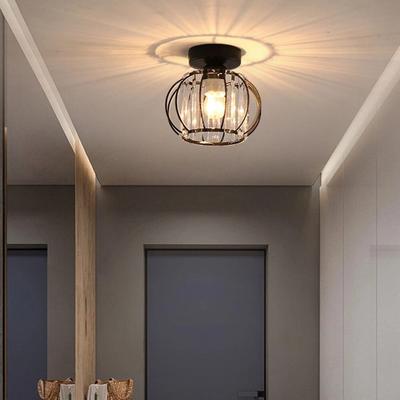
All Categories Goods Sleek Modern Flush Mount Ceiling Light Hallway & Indoor Lighting Sleek Modern Flush Mount Ceiling Light Hallway & Indoor LightingStep into brighter, beautifully lit spaces with a light that feels as thoughtful as your design. This compact modern flush mount ceiling light delivers reliable, even ambient hallway lighting without crowding your space, perfect for homes with...89,97 $*Shipping: 0,00 $Secure redirect to the provider
-
Why do molecular compounds have lower boiling points than ionic compounds?
Molecular compounds have lower boiling points than ionic compounds because the intermolecular forces holding the molecules together are generally weaker than the electrostatic forces holding ions together in ionic compounds. In molecular compounds, the intermolecular forces are typically van der Waals forces, dipole-dipole interactions, or hydrogen bonding, which are weaker than the strong ionic bonds in ionic compounds. As a result, less energy is required to overcome these weaker intermolecular forces, leading to lower boiling points for molecular compounds compared to ionic compounds. **
-
What are sodium compounds?
Sodium compounds are chemical compounds that contain sodium as one of their elements. These compounds can be found in various forms, such as sodium chloride (table salt), sodium hydroxide (lye), and sodium bicarbonate (baking soda). Sodium compounds are widely used in industry, agriculture, and everyday life due to their diverse properties and applications. **
-
Name the isomeric compounds.
Isomers are compounds that have the same molecular formula but different structural arrangements. Some examples of isomeric compounds include butane and isobutane, which both have the molecular formula C4H10 but differ in their structural arrangement. Another example is glucose and fructose, which both have the molecular formula C6H12O6 but have different structural arrangements and properties. **
-
What are molecular compounds?
Molecular compounds are chemical compounds formed by the combination of two or more non-metal atoms. These atoms are held together by covalent bonds, which involve the sharing of electrons. Molecular compounds can exist as discrete molecules, such as water (H2O) and carbon dioxide (CO2), and they typically have lower melting and boiling points compared to ionic compounds. Examples of molecular compounds include methane (CH4), ammonia (NH3), and sulfur dioxide (SO2). **
* All prices are inclusive of VAT and, if applicable, plus shipping costs. The offer information is based on the details provided by the respective shop and is updated through automated processes. Real-time updates do not occur, so deviations can occur in individual cases. ** Note: Parts of this content were created by AI.